
Cabin Crew Training Explained: What Really Happens Behind the Scenes
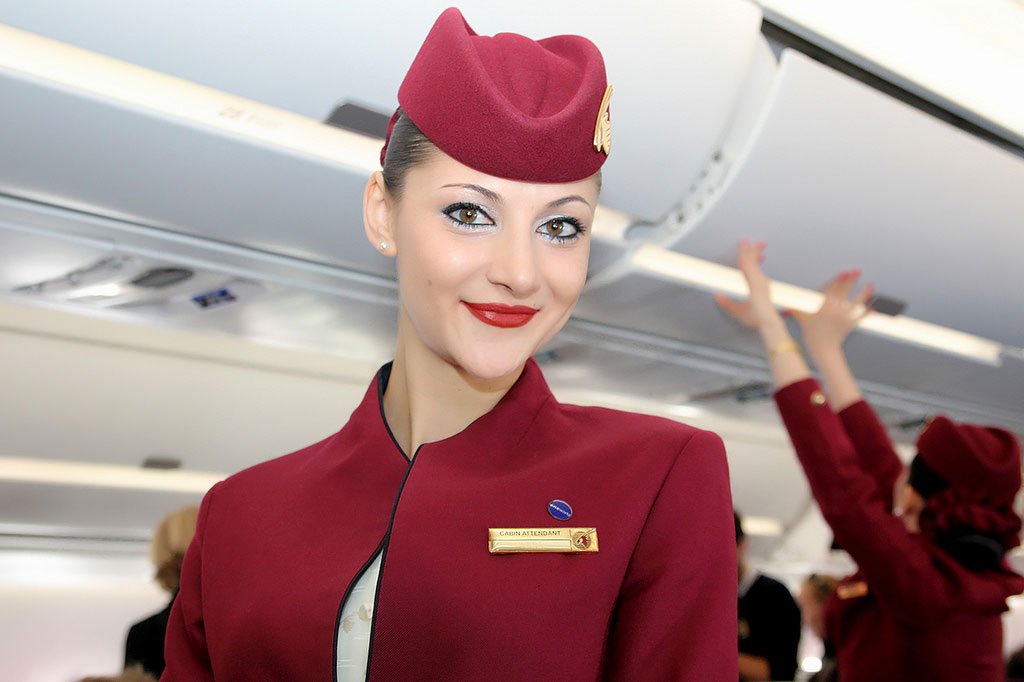
When passengers step onto an aircraft, they often see cabin crew members smiling, welcoming, and assisting with ease. To many, the role looks glamorous and effortless. But what most people don’t realize is that cabin crew undergo some of the most intensive and specialized training in the aviation industry.
In this blog, we’ll take you behind the scenes of cabin crew training, revealing what really goes into preparing flight attendants for their duties in the sky.
Why Cabin Crew Training Matters
Cabin crew are not just onboard for service; they are safety professionals first. Airlines invest heavily in training because crew members must be ready for emergencies, security threats, medical issues, and passenger care — all while maintaining calm under pressure.
Training ensures that every crew member can:
- Handle safety equipment.
- Evacuate passengers in emergencies.
- Manage in-flight medical situations.
- Provide excellent customer service.
Training usually lasts 6–12 weeks, depending on the airline. It’s often divided into four main phases:
- Safety and Emergency Procedures (SEP)
- Firefighting training (using smoke simulators and extinguishers).
- Evacuation drills (slides, rafts, and land/water scenarios).
- Security awareness (handling unruly passengers, hijack situations).
- First Aid and Medical Training
- CPR and use of defibrillators.
- Handling common in-flight issues (fainting, asthma, allergic reactions).
- Emergency childbirth procedures.
- Service and Hospitality
- Food and beverage service techniques.
- Cultural sensitivity training.
- Grooming, etiquette, and professional communication.
- Aircraft Familiarization
- Learning aircraft types (Boeing, Airbus, etc.).
- Location of safety equipment.
- Cabin configurations and galley operations.
Behind-the-Scenes Training Facilities
Cabin crew training doesn’t just happen in classrooms. Airlines use state-of-the-art training centers, which include:
- Mock aircraft cabins for realistic practice.
- Water survival pools for ditching drills.
- Fire simulators for handling onboard fires.
- Full-motion simulators to recreate turbulence and emergency landings.
This environment prepares trainees to deal with real-world challenges before they ever step onto a flight with passengers.
Assessments and Exams
Training is rigorous, with multiple assessments:
- Written Exams: Cover aviation safety, security, and procedures.
- Practical Exams: Demonstrating use of safety equipment, firefighting, and medical response.
- Final Line Check: A supervised flight where trainees demonstrate their skills with real passengers.
Failure to meet standards often means dismissal from the program — highlighting just how serious and demanding the role is.
Life During Training
Trainees usually experience:
- Long study hours: Balancing classroom sessions, practicals, and self-study.
- Physical demands: Firefighting drills, swimming, and survival training can be intense.
- Teamwork: Building trust and coordination with fellow trainees.
- Strict discipline: Grooming, punctuality, and professionalism are monitored daily.
Many describe it as “boot camp with a smile.”
The Transformation
By the end of training, recruits go from enthusiastic candidates to certified safety professionals. They emerge with:
- Confidence to handle emergencies.
- Skills to deliver excellent passenger service.
- A deep sense of responsibility as the first responders in the sky.
FAQs About Cabin Crew Training
- How long does cabin crew training last?
Most airlines conduct training programs that last 6 to 12 weeks, depending on the country and airline. - Do you need specific qualifications to join cabin crew training?
Yes, most airlines require:
- Minimum high school education.
- Proficiency in English.
- Good health and fitness (Class II or airline-specific medical).
- Certain height and weight standards (vary by airline).
- Is cabin crew training hard?
Yes, it is intense. Training includes safety drills, firefighting, medical training, and customer service practice. It requires discipline, stamina, and focus. - Do airlines charge for cabin crew training?
Some airlines offer free training once you’re selected, while others may require you to cover costs. It depends on the airline. - What happens if you fail cabin crew training?
Airlines usually have strict standards. If you fail exams or practical assessments, you may get a second chance — but repeated failures often mean dismissal from the program. - Can you work anywhere once trained?
No. Training is airline-specific and approved by the local aviation authority. If you change airlines, you’ll usually need to undergo conversion training for new aircraft types.
Final Thoughts
Cabin crew training is far from the glamorous image often portrayed. It’s challenging, intense, and life-changing — shaping individuals into professionals who ensure safety while delivering service with grace.
So, the next time you fly and see your cabin crew smiling as they serve meals or assist with bags, remember: they are highly trained safety experts, ready for any challenge at 30,000 feet.